As winter grips Lawrence, KS, the risk of frozen pipes becomes a reality for many homeowners and businesses. Frozen pipes can lead to significant damage, costly repairs, and inconvenient disruptions. At Red Carpet Flood Restoration, we’ve seen firsthand how devastating this issue can be, so we’re sharing our expertise on preventing frozen pipes and what to do if they do freeze.
Why Do Pipes Freeze?
Pipes freeze when temperatures drop below 32°F, especially if they are poorly insulated or exposed to drafts. Water expands as it freezes, creating pressure that can cause pipes to burst, resulting in water damage and costly repairs. Homes and businesses with pipes running through unheated areas—like basements, attics, garages, or exterior walls—are particularly vulnerable.
For more on preventing water damage, check out our blog on preparing your home for emergencies.
How to Prevent Frozen Pipes
Preventing frozen pipes is much easier and less expensive than repairing the damage they cause. Follow these practical tips to keep your pipes safe this winter:
1. Insulate Pipes
Wrap exposed pipes with foam insulation sleeves or heat tape. Pay special attention to pipes in unheated areas.
2. Seal Drafts
Inspect your home or business for drafts near pipes, especially in basements and crawl spaces. Use caulk or insulation to seal gaps in windows, doors, and walls.
3. Maintain Indoor Temperature
Keep your thermostat set to at least 55°F, even when you’re away. Consistent indoor temperatures help prevent pipes from freezing.
4. Let Faucets Drip
Allowing a slow drip of water from faucets connected to vulnerable pipes can relieve pressure and help prevent freezing.
5. Open Cabinet Doors
In areas where pipes run through cabinets, such as under sinks, leave cabinet doors open to allow warm air to circulate around the pipes.
6. Disconnect Outdoor Hoses
Drain and store garden hoses and shut off outdoor water supply valves. This prevents water left in the pipes from freezing and causing damage.
Additional Precautionary Steps
To further protect your home, consider the following measures:
- Install Smart Thermostats: These can help monitor and maintain consistent indoor temperatures, even when you’re away.
- Seal Crawl Spaces: Properly insulated crawl spaces can help regulate temperature and protect any pipes running through them.
- Insulate Water Tanks: Don’t forget to insulate hot water tanks in unheated areas to minimize the risk of freezing.
Signs Your Pipes May Be Frozen
If you turn on a faucet and only a trickle of water comes out, it’s a sign your pipes may be frozen. Other signs include:
- Frost on visible pipes.
- Strange odors coming from drains.
- Unexplained puddles near exposed pipes.
What to Do If Your Pipes Freeze
If you suspect a frozen pipe, act quickly to prevent it from bursting. Here’s what to do:
1. Turn Off the Water
Locate your main water shut-off valve and turn it off to prevent water damage if the pipe bursts.
2. Locate the Frozen Pipe
Check exposed pipes for frost or ice. If the pipe is hidden behind a wall or ceiling, listen for unusual sounds like gurgling or banging.
3. Thaw the Pipe
Use safe methods to thaw the pipe, such as:
- Heat Tape: Apply heat tape if available.
- Hair Dryer: Gently warm the pipe using a hair dryer, starting near the faucet and moving toward the frozen section.
- Warm Towels: Wrap the pipe in warm, damp towels to gradually thaw the ice.
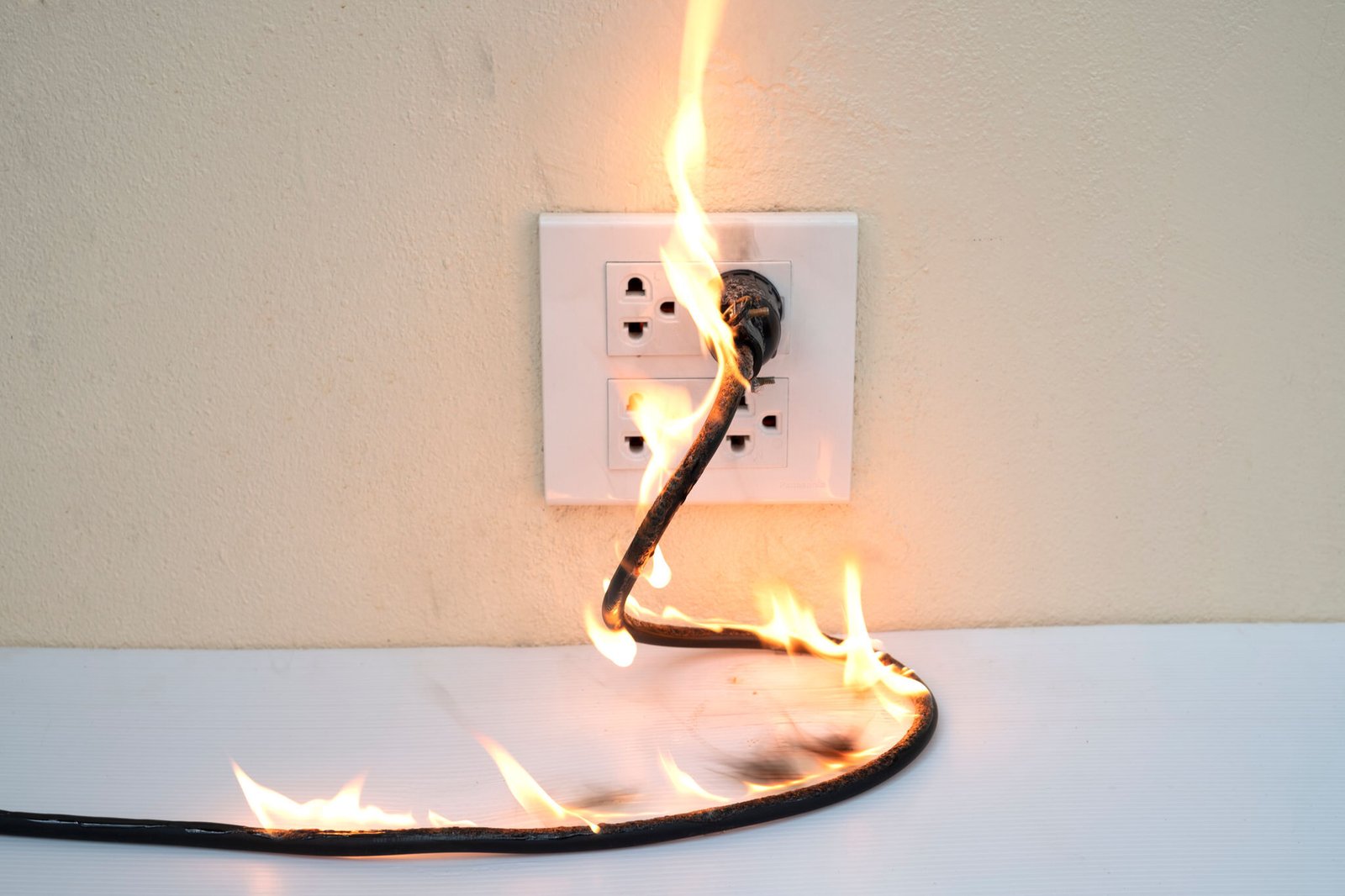
Do not use an open flame or high heat sources like a blowtorch, as these can damage pipes and create a fire hazard.
4. Check for Leaks
Once the pipe is thawed, slowly turn the water back on and check for leaks. If the pipe has burst, turn the water off immediately and call for professional help.
What Happens If a Pipe Bursts?
When a frozen pipe bursts, the resulting flood can cause extensive water damage. Immediate action is essential to minimize long-term issues like structural damage or mold growth. At Red Carpet Flood Restoration, we have an emergency response process to help:
- Immediate Water Shut-Off: We help homeowners and businesses locate and shut off the main water supply if it hasn’t already been done.
- Water Extraction: Using specialized pumps, we quickly remove standing water to reduce damage.
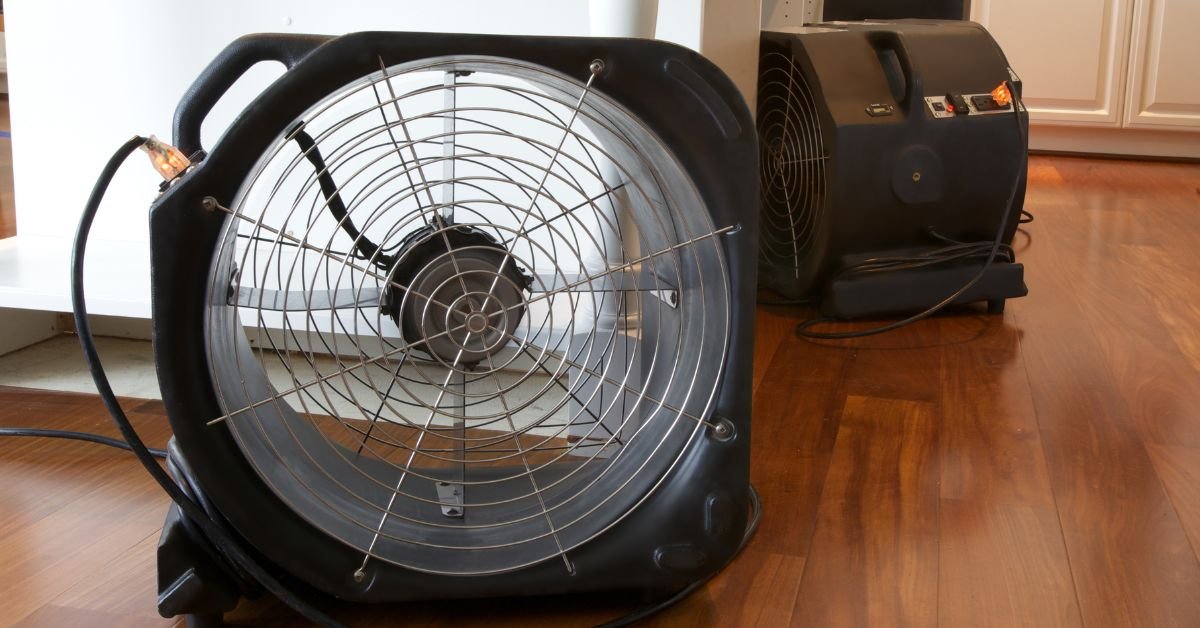
- Drying and Dehumidification: We employ industrial-strength drying equipment to thoroughly dry walls, floors, and affected areas.
- Damage Assessment and Repairs: Our team evaluates any structural or material damage and provides recommendations for necessary repairs.
- Mold Prevention: If water damage is prolonged, we use techniques to prevent mold growth, including antimicrobial treatments.
Frozen Pipes: How Red Carpet Flood Restoration Can Help
Despite your best efforts, frozen pipes can still occur. If a pipe bursts, causing water damage to your property, Red Carpet Flood Restoration is here to help. Our expert team offers:
- 24/7 Emergency Water Removal: We’ll extract water quickly to minimize damage.
- Structural Drying: Our advanced equipment ensures your property is thoroughly dried to prevent mold growth.
- Restoration Services: From repairing drywall to restoring flooring, we’ll bring your home or business back to pre-damage condition.
FAQ: Preventing and Responding to Frozen Pipes
Q: How can I tell if my pipes are at risk of freezing?
A: Pipes in unheated areas, poorly insulated pipes, or those located on exterior walls are most at risk. Take preventive measures like insulating them and keeping indoor temperatures consistent.
Q: What temperature do pipes start freezing?
A: Pipes can freeze when temperatures drop below 32°F, but the risk increases significantly when temperatures fall below 20°F for extended periods.
Q: Can I use salt to thaw frozen pipes?
A: Salt can help melt ice in drains, but it’s not effective for thawing frozen pipes. Stick to safe methods like warm towels or a hair dryer.
Q: How quickly should I address a burst pipe?
A: Immediately. Shut off your water supply and call a professional restoration company like Red Carpet Flood Restoration to mitigate damage and begin repairs.
FAQs: Frozen Pipe Restoration Services
Q: How quickly can Red Carpet respond to a burst pipe emergency?
A: We offer a 2-hour emergency response time, ensuring we’re on-site quickly to mitigate damage and start the restoration process.
Q: Do I need to clean up before your team arrives?
A: No, our team is equipped to handle everything from initial water extraction to full cleanup and restoration. We encourage you to focus on safety.
Q: How long does the drying process take?
A: It depends on the extent of the water damage. In most cases, drying can take 2-5 days with our industrial equipment. We will monitor the moisture levels and provide regular updates.
Q: Will insurance cover the damage caused by frozen or burst pipes?
A: Most homeowners’ insurance policies cover damage from burst pipes, but coverage can vary. We can help document the damage and work with your insurance provider to streamline the claims process.
Q: Can you help prevent future frozen pipes?
A: Yes! Our team can assess your property for vulnerabilities and recommend preventive measures, such as improved insulation and sealing drafts.
Don’t Let Frozen Pipes Ruin Your Winter
Taking steps to prevent frozen pipes now can save you from stress and costly repairs later. If the unexpected happens, our emergency response technicians at Red Carpet Flood Restoration are just a call away. With our fast response times and expert care, we’ll make your home or business feel like new again.
Contact us today to learn more about our services or to schedule an appointment. Stay warm and safe this winter, Lawrence!